Blog
Blog
Can I Sue for Injuries Caused by Road Rage?

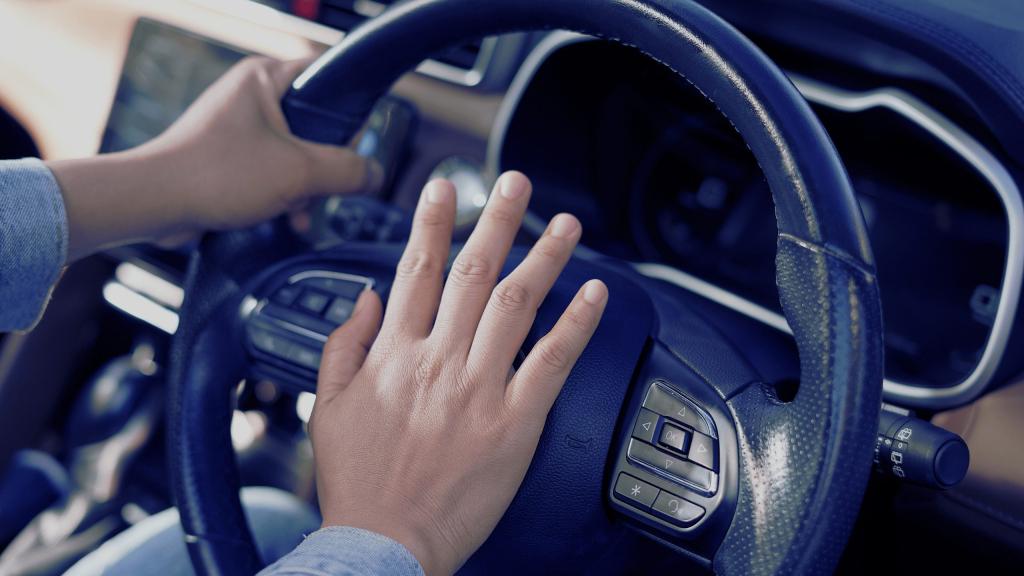
Experiencing an injury as a result of a road rage incident can leave you feeling vulnerable and unsure of what to do next. Road rage in Canada is reportedly on the rise, with a 2024 poll finding that 83% of respondents had witnessed road rage in some form over the past year, a five% increase from 2022. As instances of road range increase, it is likely that accidents involving road rage will become increasingly common. If you have been injured in a road rage incident, it is important to understand your legal rights moving forward. Taking the right steps early on is the best way to set yourself up for success in receiving compensation for your injuries.
What is Road Rage?
Car accidents occur very quickly, and the specific details of what happened can initially be confusing to piece together. To help you understand whether road rage was actually a factor in the accident you experienced, it may be helpful to understand exactly what road rage is defined as. A variety of unsafe actions while driving can be considered road rage, including but not limited to:
- Excessive speeding;
- Unsafe lane changes;
- Verbal harassment/ harassment through rude gestures;
- Excessive honking of horn;
- Running red lights and stop signs or failure to yield;
- Tailgating (following behind another driver excessively closely);
- Brake checking or cutting off other drivers.
If you were injured in a car accident where the other driver was performing any of these actions leading up to the accident or was engaging in other similar aggressive activity, , and you have reason to believe behave such behaviour was a factor that caused the accident, you may have the right to seek compensation for your injuries under Alberta law.
Is the Other Driver’s Road Rage Legally Relevant?
The short answer to this question is, “Yes.” Recently, Canadian court decisions have affirmed the relevancy of road rage when assessing collisions. In the Alberta case of R v Price 2024 ABCJ 218, the Court emphasized that “the principles of denunciation and deterrence are the primary sentencing considerations in cases of road rage.” This statement, while made in the context of a criminal law decision, suggests that courts view preventing future aggressive driving as important and will take measures to attempt and deter it. Further showcasing this conclusion the 2023 Ontarian case Moran v Fabrizi 2023 ONCA 21, in which a third party driver was deemed partially liable for an accident due to his road rage. Although this driver was not actually involved in the accident, he was behaving aggressively towards an involved driver directly prior to the accident. Due to this, Courts viewed him as responsible and deemed him 50% at fault for the injuries that occurred in the accident. This case indicates that Canadian courts are willing to treat road rage not just as a contributing factor in an accident, but as a primary cause.
Therefore, if you believe that another driver’s aggressive behaviour was a cause of your accident, it is important to document any evidence you have of this aggression as quickly as possible. Documentation can come in the form of police reports, witness statements, or any photographs and videos you have that depict how the accident happened. These forms of evidence can all help to demonstrate that the collision would not have occurred but for the other driver’s road rage.
Connecting Your Injuries to Road Rage
How can legal counsel argue that another driver’s road rage caused an accident and the injuries that occurred as a result? Constructing this argument requires establishing negligence, a concept at the center of personal injury cases in Alberta. Essentially, the Court will determine that a driver was behaving negligently if the driver failed to reasonably consider the safety of others and, in doing so, caused harm to another.
To prove negligence, two key items must be met:
- Breach of Duty of Care: The Plaintiff must demonstrate that the defendant behaved in a manner that a reasonable person would not have in the same circumstances and that this behaviour put others at risk. When dealing with a road rage incident, it is easy to see how this criteria may be satisfied. Aggressive driving puts all others on the road at risk.
- Causation: There must be a clear link between the actions of the defendant and the injuries of the plaintiff. The most common way to determine causation is the “but for” test, which essentially asks whether the damage would have occurred if the defendant had not behaved negligently. The Moran v Fabrizi case provides an example of the “but for” test being used in the context of road rage, as the judge determined that the accident would not have occurred but for the conduct of the aggressive driver.
By demonstrating that specific aggressive behaviour constituted a breach of care and directly caused your injuries, a legal team can effectively establish negligence. This would be the basic pathway to a successful personal injury claim.
Negligent Driving vs Reckless Driving
Depending on the extent of the road rage involved and the amount of evidence you can gather, it is possible that there may be legal implications beyond negligence. Reckless driving is a form of negligence in which the driver behaved carelessly in an intentional manner; in other words, they knew that their actions may cause harm and continued regardless. If the road rage involved in your accident could be considered reckless, this has the potential to impact your claim in a number of ways:
- The insurer of the other driver may be more inclined to settle prior to litigation, due to obvious unlawful actions from their insured;
- The other driver is more likely to be found completely at fault;
- Your right to compensation may increase.
Establishing that reckless driving occurred can be a complex process. However, if you feel that the behaviour of the other driver in your accident was exceptionally dangerous or intentionally harmful, the personal injury team at KMSC Law will work to get this element of the accident recognized and help you get the compensation you deserve.
Beginning Your Claim
In Alberta, individuals have a two-year limitation period to file a personal injury claim following a motor vehicle accident. This limitation means that if you believe your injuries require additional compensation beyond what you may have been provided, it is important to act quickly in deciding whether you want to file a personal injury claim. If you choose to pursue a claim, we are here to assist you every step of the way. Working with KMSC will allow you to focus on getting the rest and recovery you need, while we fight to receive the compensation you deserve.
The Injury Law Team is Here to Help
If you were injured in a road rage incident, you’re likely dealing with more than just physical pain. These collisions are frightening, often unexpected, and can leave you feeling shaken and unsure of what comes next. You may be wondering whether the other driver’s behaviour matters legally, what evidence you should be preserving, and whether you’re entitled to compensation beyond basic insurance benefits.
The Injury Law Team at KMSC Law helps Albertans navigate exactly these situations. We understand how aggressive driving and road rage factor into fault, negligence, and liability, and we know how to build claims that properly reflect what you’ve been through. Our role is to take the legal burden off your shoulders, protect your rights, and help you move forward while you focus on recovery.
If you’d like to talk through your situation and understand your options, we invite you to contact KMSC Law for a confidential consultation. There is no obligation. Just clear guidance, practical next steps, and a team that’s ready to stand with you after a road rage incident.

Have a legal question?
Get effective answers.
BOOK A FREE CONSULTATION
About the author:
At KMSC, we are committed to providing practical and effective legal solutions for our clients.
If your issue is urgent, please don’t hesitate to contact us toll-free at 1.888.531.7771, we’d be happy to assist you.