Blog
Blog
Early Signs of a Spinal Cord Injury After a Car Accident

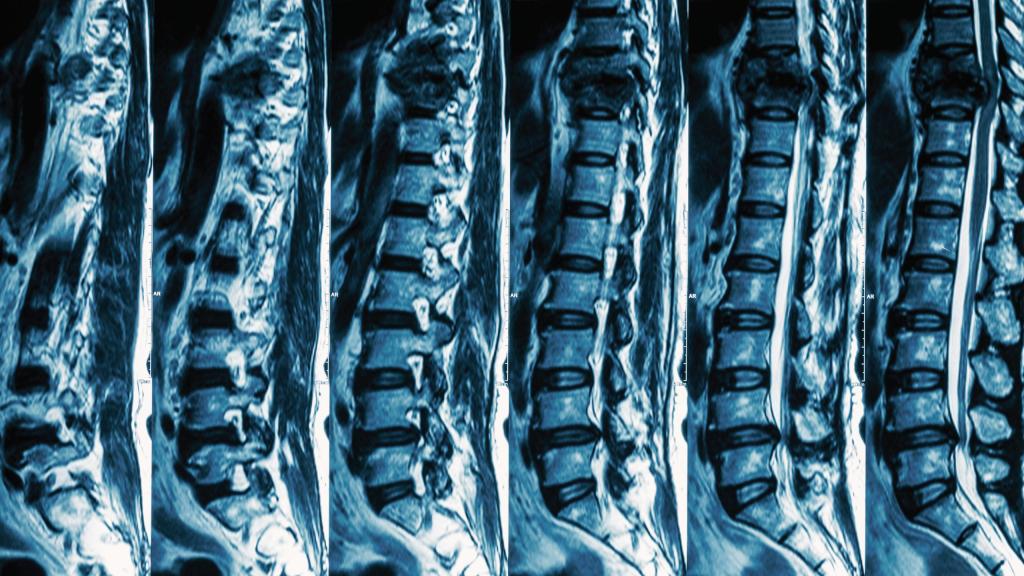
When you or a loved one is involved in a car accident, it can be one of the most overwhelming moments in your life. In the aftermath of an accident, it’s not always easy to tell how serious the injuries are, especially when it comes to spinal cord injuries. These types of injuries may not always be visible, but they can have serious, long-term consequences.
At KMSC Law, our Injury Law Team has worked with individuals and families across Alberta who are navigating the next steps following a spinal cord injury. From our offices in Grande Prairie, Fairview, Edmonton, La Crete, Beaverlodge, Spirit River, Falher, and High Prairie, we provide experienced, compassionate legal guidance to help you move forward. If you think you or someone you care about may have suffered a spinal cord injury, knowing the early signs can make all the difference.
Early Signs of a Spinal Cord Injury After a Car Accident
Spinal cord injuries may not always be immediately visible after a car accident, but they can have serious long-term consequences. If you or someone you care about has recently been in a collision, watch for these early warning signs:
- Numbness, tingling, or loss of sensation in limbs
- Weakness in arms of legs or difficulty moving arms or legs
- Trouble breathing or taking deep breaths
- Loss of bladder or bowel control
- Sharp, burning, or stinging pain along the spine
These symptoms may indicate damage to the spinal cord or nerves and require urgent medical attention. Even if symptoms are subtle or delayed, early diagnosis can make a significant difference. If you suspect a spinal cord injury, seek medical care and consider speaking with an experienced injury lawyer. KMSC Law is here to help.
Prompt Medical Attention Matters
If you haven’t already been seen by a medical professional in an urgent care centre or hospital setting and are concerned about potential injuries such as a spinal cord injury, it’s crucial to seek medical attention immediately. Prompt medical care can prevent further damage to the spinal cord, maximize chances of recovery, and provide critical documentation of your injuries. Delaying treatment may not only worsen your medical condition but could also impact your ability to pursue a personal injury claim, as insurance companies often view delays in treatment as a sign that your injuries are not serious.
What Is a Spinal Cord Injury?
A spinal cord injury (SCI) occurs when trauma damages the spinal cord or surrounding structures. These injuries can result from motor vehicle accidents, falls, sports injuries, or acts of violence, but car accidents are one of the leading causes.
There are two main types of spinal cord injuries:
- Incomplete: Some nerve signals can still travel through the spinal cord. The individual retains some feeling or movement below the site of injury.
- Complete: All nerve signals are blocked at the point of injury, leading to complete loss of function and sensation below the affected area.
Because inflammation, swelling, and other trauma-related factors can mask the severity of the injury, it may take days or even weeks to fully diagnose the extent of damage.
5 Early Signs of a Spinal Cord Injury After a Car Accident
In the period that follows a car accident, adrenaline and shock can make it difficult to notice symptoms right away. You may feel fortunate to have avoided visible injuries, but beneath the surface, internal damage to the spine can be serious and life-altering.
Recognizing the early signs of a spinal cord injury (SCI) is critical. These injuries can progress quickly, and early detection may lead to better outcomes, both medically and legally. Whether you’re reading this for yourself or someone you love, we hope this information helps you understand what to look for and what steps to take.
Here are five important signs that may indicate a spinal cord injury:
1. Loss of Sensation
One of the earliest and most common signs of a spinal cord injury is a change in sensation. This might feel like tingling, numbness, or even a complete lack of feeling in areas of the body—especially the arms, hands, legs, or feet.
You may notice:
- A “pins and needles” feeling that doesn’t go away
- Difficulty sensing temperature, touch, or pain
- An odd sensation of heaviness or detachment from your limbs
These symptoms suggest that nerves may have been damaged or disrupted. Even if your sensation returns after a short time, you should still seek medical evaluation.
2. Weakness or Paralysis in the Arms or Legs
Any degree of weakness following an accident—whether it’s a slight loss of coordination or a complete inability to move a limb—should be taken seriously.
- Injuries to the cervical spine (neck) may cause weakness or paralysis in both arms and legs (quadriplegia).
- Injuries to the thoracic or lumbar spine can lead to weakness or paralysis in the lower body (paraplegia).
Even mild difficulties with walking, holding objects, or maintaining balance can be early indicators of spinal trauma. These symptoms may worsen without immediate care.
3. Changes in Bowel or Bladder Control
The spinal cord plays a critical role in transmitting signals that control your bladder and bowel function. After a spinal injury, you may find it difficult to start or stop urination or bowel movements, or you may experience unexpected leakage or loss of control.
Other signs include:
- Increased urgency or frequency
- Inability to fully empty the bladder
- Unusual constipation or bowel incontinence
These changes are deeply personal and can be distressing, but they are also important indicators that your nervous system has been affected. Please know that you are not alone, and help is available.
4. Difficulty Breathing or Shortness of Breath
If you find it hard to take deep breaths or experience a tight, restricted feeling in your chest, this could point to a higher-level spinal cord injury that impacts the muscles involved in breathing.
This symptom is especially urgent if you:
- Struggle to catch your breath
- Feel light-headed or dizzy
- Are unable to cough strongly or clear your throat
Breathing difficulties may develop quickly or worsen over time. They can lead to further complications, such as pneumonia or respiratory failure, and require prompt medical attention.
5. Sharp, Stinging, or Burning Sensations
A spinal cord injury often causes pain that feels different from typical aches and soreness. You may notice:
- A sharp or stabbing pain near the spine
- A burning or stinging sensation that radiates to other parts of the body
- Pain in areas where you also have numbness or reduced sensation
This kind of pain is often caused by nerve damage and may persist even in areas with limited feeling or mobility. Describing the nature and location of this pain to your doctor can be an important step toward diagnosis.
Emergency Symptoms That Require Immediate Attention
If you notice any of the following symptoms after a collision, call 911 or go to the emergency room immediately:
- Extreme pressure or pain in the neck, back, or head
- Inability to move part of your body
- Loss of bladder or bowel control
- Trouble breathing
- Loss of coordination or balance
Prompt medical attention can improve long-term outcomes and help establish a clear medical record—an important step for both your health and your legal claim, if one is necessary.
Common Spinal Injuries Caused by Car Accidents
Some of the most frequent spinal injuries we see from collisions include:
- Whiplash – A soft tissue injury caused by the rapid back-and-forth motion of the neck, often resulting in neck pain, stiffness, and headaches.
- Herniated Discs – When one of the discs between your vertebrae is pushed out of place or ruptures, it can press on nearby nerves and cause pain, numbness, or weakness.
- Vertebral Fractures – Broken bones in the spine can range from minor compression fractures to more serious breaks that may affect spinal stability or nerve function.
- Spinal Stenosis – A narrowing of the spinal canal that puts pressure on the spinal cord or nerves, leading to pain, numbness, or muscle weakness—often in the lower back or legs.
- Paraplegia or Quadriplegia – These are forms of paralysis caused by severe spinal cord injuries. Paraplegia affects the lower half of the body, while quadriplegia (also called tetraplegia) affects all four limbs.
- Spondylolysis – A stress fracture in one of the vertebrae, most commonly in the lower back. It can lead to persistent pain, especially with movement.
- Pinched Nerves – Occur when surrounding tissues (like bones, discs, or muscles) compress a nerve, resulting in pain, tingling, numbness, or weakness in the affected area.
Each of these injuries can present differently and sometimes don’t become obvious right away. If you experience unusual symptoms following an accident—even subtle ones—it’s important to get evaluated by a medical professional as soon as possible.
Diagnosing and Treating a Spinal Cord Injury
Diagnosing a spinal cord injury typically includes:
- Manual Examination
- X-Rays and CT Scans (to assess bone damage)
- MRI Scans (to evaluate soft tissues and nerve pathways)
- Lab Work (to rule out complications)
Treatment may involve emergency stabilization, surgery, physical and occupational therapy, and long-term care planning. There is no current cure for spinal cord damage, but early and ongoing treatment can improve quality of life and functional outcomes.
What To Do If You Suspect a Spinal Cord Injury
If you suspect you or a loved one has a spinal injury after a car accident, here are steps to take:
- Document all symptoms, even if they seem minor
- Seek immediate medical attention
- Follow through on all diagnostic tests and treatment plans
- Keep records of your symptoms, medical visits, and expenses
- Speak with a personal injury lawyer to understand your legal rights

Have a legal question?
Get effective answers.
BOOK A FREE CONSULTATION
How KMSC Law Can Help After a Spinal Cord Injury
At KMSC Law, we know how frightening and uncertain things can feel when you suspect a spinal cord injury—whether it’s your own or a loved one’s. These situations can be physically painful and emotionally draining. That’s why our Injury Law Team is committed to offering steady, informed guidance when it matters most. If any of the symptoms above sound familiar, don’t wait—seek medical attention and consider your legal options.
Adjusting to life with a spinal cord injury can be one of the most challenging experiences a person faces. The impacts often go far beyond the physical—they can affect your independence, finances, and future plans. Our experienced injury lawyers are here to help ensure your legal claim captures the full scope of what you’ve lost, from medical expenses to long-term care needs and income replacement.
We offer free consultations and work on a contingency basis—meaning you won’t pay us unless we recover compensation for you.
If you were injured in a car accident anywhere in Northern Alberta—whether in Grande Prairie, Edmonton, Fairview, or a nearby community—KMSC Law is here to help.
Contact KMSC Law today to speak with a trusted injury lawyer. We’re here to help you move forward with clarity, care, and confidence.
About the author:

At KMSC, we are committed to providing practical and effective legal solutions for our clients.
If your issue is urgent, please don’t hesitate to contact us toll-free at 1.888.531.7771, we’d be happy to assist you.