Blog
Blog
Jackknifing Accidents in Alberta

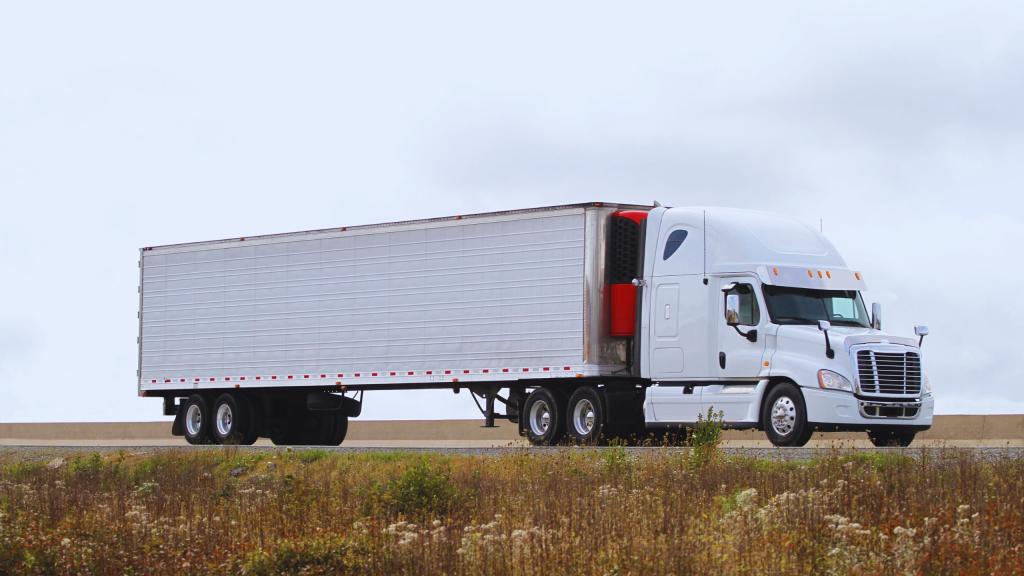
A jackknifing accident is a type of collision that primarily involves large vehicles like trucks or tractor-trailers. This accident occurs when the trailer of a truck swings out from behind the cab, forming an angle that resembles a folding jackknife. The resulting alignment can create a hazardous situation on the road, often affecting multiple lanes and posing significant dangers to other drivers and road users.
In Alberta, jackknifing accidents are a significant concern due to the province’s extensive highway network that is bustling with large commercial vehicles. The unique climate and weather conditions in Alberta, including heavy snow and ice, increase the risk of such accidents. These incidents can disrupt traffic flow and lead to severe injuries or fatalities.
Understanding the legal regulations surrounding these incidents is crucial, as it can aid in determining and securing the compensation you deserve if you have been involved in a jackknifing accident in Alberta.
What Causes Jackknifing Accidents?
While the causes of jackknifing accidents can be varied, they typically involve a loss of traction between the truck’s tires and the road surface. In Alberta, factors like icy or snow-covered roads, sudden braking, and improper vehicle handling can lead to jackknifing. Mechanical failures, such as brake malfunctions, may also contribute to these accidents. Understanding the causes is crucial for preventing future incidents, and both drivers and companies are encouraged to implement preventative measures such as using anti-lock braking systems and maintaining proper tire pressure.
What if I am Injured in a Jackknifing Accident?
If you are injured in a jackknifing accident in Alberta, it is important to seek immediate medical attention and document the injuries and circumstances of the accident. Victims may be entitled to compensation for medical expenses, lost wages, and other damages. The process typically involves filing a claim with the at-fault party’s insurance company or pursuing legal action if necessary. It is advisable to consult with a personal injury lawyer who specializes in motor vehicle accidents to navigate the complexities of the legal system and ensure fair compensation.
Who is Liable in Jackknifing Accidents?
Determining liability in a jackknifing accident can be complex, as it may involve multiple parties. In Alberta, potential liable parties include the truck driver, the trucking company, or even the manufacturer, if a vehicle defect contributed to the accident. Liability is assessed based on factors such as driver negligence, adherence to safety standards, vehicle maintenance records, and vehicle design and assembly. Legal proceedings often require detailed investigation and expert testimony to establish fault and assess appropriate compensation.
Please note that, whether the truck driver, trucking company (or carrier), or both, is liable, the insurance policy maintained for the vehicle will provide coverage in any event.
Truck drivers:
In jack knifing incidents, truck drivers can be held directly responsible for the safe operation of their vehicle. If a jackknifing accident occurs, investigators will examine whether the driver acted negligently. failed to meet regulatory obligations, or both. This investigation includes an assessment of their driving behavior, adherence to hours-of-service regulations, and records of pre-trip inspections. If the driver was fatigued, speeding, or failed to properly inspect the vehicle, they could be held personally liable.
Drivers may be liable if they:
- Exceed legal driving hours, leading to fatigue.
- Fail to conduct or document required pre-trip inspections.
- Ignore known mechanical issues (e.g., faulty brakes or tires).
- Drive too fast for road or weather conditions.
- Improperly secure cargo, causing load shift.
- Operate the vehicle while impaired or distracted.
The trucking company, or carrier:
In all accidents involving company trucks, the relevant carrier has a legal duty to ensure that all its vehicles are properly maintained and that its drivers are trained, monitored, and compliant with safety regulations. If the company fails to implement or enforce safety programs, or knowingly allows unsafe practices, it can be held vicariously liable for the actions of its drivers.
Carriers may be liable if they:
- Failed to maintain or inspect vehicles
- Did not implement a written safety or maintenance program.
- Allowed drivers to exceed hours of service limits.
- Did not monitor or discipline drivers with poor safety records.
- Provided inadequate training or supervision.
- Failed to ensure proper cargo securement procedures were followed.
- Accident occurred within the scope and on the job by an employee.
Manufacturer:
If a mechanical failure, such as brake malfunction or coupling failure, contributed to the jackknifing incident, and it was due to a design or manufacturing defect, the manufacturer of the vehicle or its components may be held liable. This is typically pursued through a product liability claim and requires expert analysis.
Manufacturers may be liable if they:
- Produced defective parts (e.g., brakes, tires, coupling systems).
- Failed to issue recalls or warnings for known defects.
- Provided misleading or inadequate maintenance instructions.
- Used substandard materials or flawed designs.
What can I Claim for Damages in a Jackknifing Accident in Alberta?
Victims of jackknifing accidents in Alberta can pursue various types of damages. These may include compensation for medical expenses, rehabilitation costs, and lost income due to time away from work. Additionally, claims can encompass non-economic damages such as pain and suffering or emotional distress. In some cases, punitive damages may be pursued if gross negligence is proven. It is advisable to consult a reputable personal injury lawyer who can help you navigate the legal process and build a strong case. However, the following is a breakdown of what may be pursued in a claim:
- General Damages (Pain and Suffering)
These damages compensate for the physical pain, emotional distress, and overall loss of enjoyment of life caused by the accident. Whether you’re dealing with chronic pain, anxiety, or a reduced ability to participate in daily activities, general damages aim to recognize the personal toll of your injuries.
- Past Income Loss
If your injuries force you to take time off work, you can claim compensation for the income you lost during that period. This includes wages, bonuses, commissions, and even used sick days or vacation time that were spent recovering.
- Future Income Loss
If your injuries affect your ability to work long-term, you may be entitled to damages for future income loss. This includes reduced earning capacity, missed promotions, or the need to switch to a lower-paying job due to physical limitations.
- Housekeeping Loss
Injuries often make it difficult to manage household tasks. If you’ve had to hire help or rely on others for cleaning, cooking, or childcare, you can claim compensation for the value of that lost ability.
- Future Care Costs
If your injuries require ongoing treatment or support, you can claim for future care expenses. This might include physiotherapy, counseling, home care, or future surgeries. These costs are often supported by medical expert reports.
- Out-of-Pocket Expenses
These are the direct costs you’ve paid because of the accident. Think of things like prescription medications, medical equipment, parking fees for appointments, or even home modifications to accommodate your injury.
How KMSC Law Can Help
Choosing the right personal injury lawyer starts with a simple conversation. At KMSC Law, we’re here to listen, guide, and advocate for you every step of the way.
No pressure. No obligation. Just answers.
Schedule your consultation today and get the clarity you need to move forward.

Have a legal question?
Get effective answers.
BOOK A FREE CONSULTATION
About the author:

At KMSC, we are committed to providing practical and effective legal solutions for our clients.
If your issue is urgent, please don’t hesitate to contact us toll-free at 1.888.531.7771, we’d be happy to assist you.