Blog
Blog
Cross-Border Commuters: What Every BC Driver Should Know Before Driving in Alberta

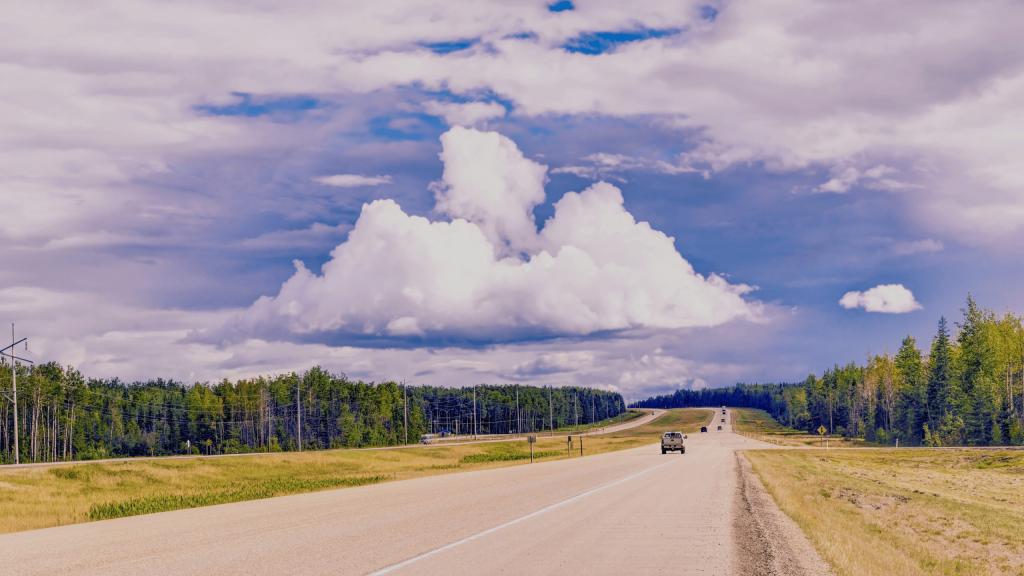
For many people living in northern British Columbia, driving into Alberta is part of everyday life. Whether you travel for work, shopping, or to visit family, crossing the border between Dawson Creek, Tumber Ride, or Fort St. John and Grande Prairie can feel as routine as your daily commute. Yet few drivers stop to think about how insurance, registration, and traffic laws change once they pass the provincial line.
If you drive from BC into Alberta, taking a few minutes to understand your coverage and prepare for unexpected situations can save you stress and money later.
Check Your Insurance Coverage Before You Go
Before driving into Alberta, take a moment to review your insurance. If you live in British Columbia, your ICBC Autoplan coverage protects you across Canada, but it only meets BC’s minimum requirements. Alberta has its own insurance laws, and the cost of vehicle repair, medical treatment, and liability claims can differ from province to province.
Your ICBC policy includes Enhanced Accident Benefits, which cover you for injuries anywhere in Canada, including Alberta. However, ICBC’s Enhanced Care model limits your ability to sue an at-fault driver within BC, while Alberta’s system still allows injury claims against the responsible party. Because Alberta law governs any accident that happens within its borders, you may have both ICBC benefits and the right to pursue additional compensation under Alberta law.
You may also want to consider Extended Third Party Liability coverage before travelling. This optional coverage protects you if you are found responsible for a crash and the costs exceed the limits of your basic policy. It also provides protection in jurisdictions, such as Alberta, where the other driver may have the right to sue.
If you often travel or work in Alberta, speak with your Autoplan broker about your policy and whether it needs to be adjusted. This is especially important if your vehicle will spend most of the year outside BC, as different registration or licensing rules may apply.
Carry the Right Documents and Safety Essentials
If you are stopped by police or involved in an accident in Alberta, you will need to provide your driver’s licence, vehicle registration, and proof of insurance. Keep these documents easily accessible in your vehicle.
It is also smart to carry:
- A copy of your insurance policy or digital proof of coverage
- A basic first-aid kit and flashlight
- A reflective vest and roadside warning triangles
- A phone charger and emergency contact numbers
- A small notepad and pen for recording accident details
Alberta winters can be harsh, so cold-weather essentials such as blankets, gloves, and a shovel can make a big difference if you are delayed or stranded.
Know What to Do If You Are in a Minor Collision
If you are involved in a fender bender in Alberta, start by checking for injuries and moving your vehicle out of traffic if it is safe to do so. Exchange contact and insurance information with the other driver and take photos of the scene, vehicle damage, and any visible injuries.
If there are no serious injuries and total damages appear to be under $2,000, you must report the incident at a local police detachment or collision reporting centre. If injuries are suspected or if the vehicles are not drivable, call the RCMP or local police to attend the scene.
Even if the collision seems minor, it is important to see a doctor soon after the accident. Some injuries, such as whiplash or concussions, do not appear right away. Keep copies of all medical reports and receipts in case you need to make an insurance claim.

Have a legal question?
Get effective answers.
BOOK A FREE CONSULTATION
How Alberta’s Laws Apply to BC Drivers
If a collision happens in Alberta, Alberta law governs how fault and compensation are determined, regardless of where your vehicle is registered. That means your insurance company will work with Alberta insurers, and any injury claim will follow Alberta’s legal system.
For example, Alberta’s Minor Injury Regulation limits compensation for certain soft-tissue injuries, and the province’s Limitations Act sets a two-year deadline to file a claim. These rules apply even if you live in BC.
Understanding this difference before an accident happens can save valuable time later. It also means that if you are injured, you should contact a lawyer who is licensed to practise in Alberta and familiar with its insurance system.
Document Everything if an Accident Occurs
Keeping accurate records is one of the most helpful things you can do after an accident. Write down what happened, take photos, and keep receipts for medical treatment or vehicle repairs. If you need to make a claim later, these details will help support your version of events and ensure your expenses are properly reimbursed.
If you commute regularly between BC and Alberta, it can help to keep an envelope or folder in your glove compartment for storing any paperwork, receipts, or correspondence related to your vehicle and insurance.
Contact KMSC Law if You Are Injured in Alberta
If you are a BC driver who was injured in Alberta, contact KMSC Law today. Our Injury Law Team understands how Alberta’s insurance and legal systems apply to cross-border collisions and regularly represents commuters and travellers injured while driving in Alberta.
We will explain your rights, outline your options, and guide you through every step of the process. You do not pay legal fees unless your case is successful. Schedule a free consultation with KMSC Law today and get the experienced legal help you need to move forward with confidence.
About the author:

At KMSC, we are committed to providing practical and effective legal solutions for our clients.
If your issue is urgent, please don’t hesitate to contact us toll-free at 1.888.531.7771, we’d be happy to assist you.