Blog
Blog
Driving from Grande Prairie to Fort St. John or Dawson Creek? What Happens if You’re from Alberta and Injured While Driving in BC?

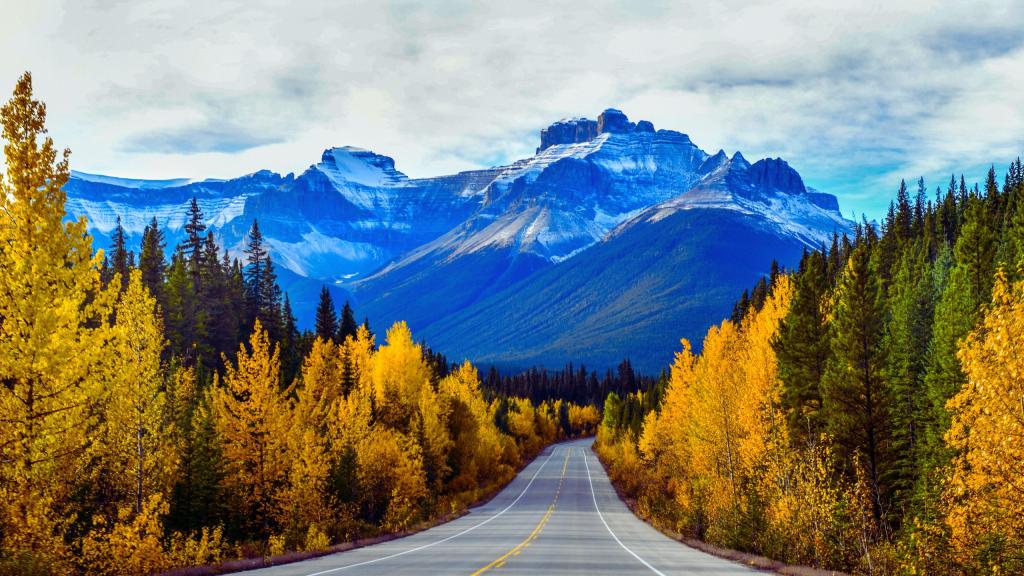
For many people in Northern Alberta, the drive from Grande Prairie to Fort St. John or Dawson Creek is just part of everyday life. It might be for work, appointments, or visiting family. It’s a familiar route, and most of the time, it feels no different than driving anywhere else.
But if a motor vehicle accident happens once you cross into British Columbia, the situation can change quickly.
What catches many Albertans off guard is not just the accident itself, but what comes after. The insurance process may not work the way they expect, and the answers they receive can feel unclear or incomplete, especially when they are dealing with recovery at the same time.
At KMSC Law, our Injury Law Team regularly works with people across Northern Alberta who have been injured in British Columbia. These situations are more common than they might seem, and they often involve more than one insurance system.
It Feels Like a Short Drive, But It Can Mean a Different System
Driving from Grande Prairie into Fort St. John or Dawson Creek does not feel like crossing into a completely different legal framework. The roads are familiar, the communities are connected, and many people travel back and forth regularly.
Because of that, it is natural to assume that if something goes wrong, the process will feel just as familiar.
In reality, once an accident happens in British Columbia, the insurance side of the claim may follow a different structure than what you would expect in Alberta.
That does not mean every claim is handled the same way. It means that where the accident happened is only one part of the picture. The insurer involved, the policy behind the vehicle, and how the claim is framed can all affect what happens next.
Why These Cross-Border Claims Can Be More Complex Than They Appear
When an accident happens close to the Alberta–BC border, the situation often involves more than one layer.
You may:
- live in Alberta
- receive treatment in Alberta
- be dealing with time away from work in Alberta
- but have been injured in British Columbia
- and now be dealing with benefits that have been denied or cut off
At the same time, the vehicle involved in the accident may be insured in BC or outside BC, and that can affect how the claim is handled.
This is where the process can start to feel less clear.
The explanation someone receives early on may focus on BC’s no-fault system, which does apply in many situations. But when other factors are involved, particularly the insurer, the structure of the claim may not be as straightforward as it first appears.
How the Insurance Side Can Differ From What You Expect
British Columbia uses a no-fault insurance system, and many claims are handled through ICBC. For those claims, accident benefits are provided without needing to prove fault, and disputes are often handled within that framework.
However, not every accident in BC is handled exactly the same way.
If the vehicle involved is insured outside British Columbia, a different insurer may be responsible for responding to the claim. In those situations, the obligations of that insurer may come from its own policy and from agreements that allow it to operate in BC.
Recent court decisions have clarified that, in some cases, these claims are not governed entirely by BC’s statutory system. Instead, they may involve contractual obligations that affect how disputes are handled and what options are available.
For someone dealing with an injury, this distinction is not always obvious at the outset. It often becomes more relevant when questions arise about benefits, coverage, or how a claim is being managed.
What This Means for Albertans Driving Between Grande Prairie and BC
For people who regularly travel between Grande Prairie, Fort St. John, and Dawson Creek, these situations are not unusual.
An accident can happen during a routine trip, but the impact continues once you return home. Treatment may take place in Alberta, work may be affected in Alberta, and communication with insurers may involve companies based in different jurisdictions.
That combination can create uncertainty.
It may not be immediately clear:
- Which insurer is responsible
- How benefits are being determined
- Or whether the claim is being handled under the correct framework
When those questions are left unanswered, it can make an already difficult situation feel more complicated.
What This Means for Your Claim
If you are an Albertan driving into British Columbia and are injured in a motor vehicle accident, there are a few factors that may shape how your claim is handled.
One of the most important is the insurer connected to the vehicles involved. In cross-border situations, especially on routes like Grande Prairie to Fort St. John or Dawson Creek, it is not uncommon for vehicles from different provinces to be involved. That can affect which insurance policies apply and how the claim is structured.
The way the claim is approached also matters. Some claims are handled entirely within BC’s no-fault system, while others may involve additional considerations tied to the insurance policy itself, particularly where an out-of-province insurer is part of the situation.
Your connection to Alberta can also play a role. Many people return home for treatment, deal with time away from work in Alberta, and continue their recovery there. That can affect how records are gathered and how the impact of the injury is documented.
These details are not always obvious at the outset, but they can influence how a claim is handled as it develops.
What Should You Do If This Happens to You?
If you have been injured while driving in British Columbia, the most important thing is to focus on your recovery while making sure you have a clear understanding of your situation.
Some practical steps include:
- Continue your medical treatment and follow your care plan
- Keep all documentation related to your injury and treatment
- Save communication from any insurer involved in your claim
- Confirm which insurer is handling your claim and where they are based
- Take the time to understand how your claim is being structured
- Speak with an injury lawyer if anything about the process feels unclear
These steps are not about rushing into decisions. They are about making sure you have the information you need to move forward with confidence.
Why Work With KMSC Law’s Injury Law Team
KMSC Law’s Injury Law Team works with clients across Northern Alberta who are dealing with motor vehicle accident claims, including those involving cross-border travel into British Columbia.
We understand how common this route is between Grande Prairie, Fort St. John, and Dawson Creek, and how easily an accident can lead to questions about how the claim is being handled.
We also understand that these claims can involve more than one insurance system. Our role is to review the details, explain how the legal framework applies, and help you understand what options may be available.
You Do Not Have to Navigate This Alone
If you were injured while driving in British Columbia, it is reasonable to want clarity about how your claim is being handled.
What may seem straightforward at first can involve additional layers once the insurance side of the process begins. Understanding those layers early can help you make more informed decisions about what comes next.
KMSC Law offers free consultations, and our Injury Law Team works on a no-win, no-fee basis. We can help you understand your situation and provide clear guidance on how to move forward.

Have a legal question?
Get effective answers.
BOOK A FREE CONSULTATION
FAQ
What happens if I am injured in a car accident in BC but live in Alberta?
Your claim may involve both BC and Alberta considerations. The insurance process can depend on where the accident occurred and which insurer is involved.
Is my claim handled by ICBC if the accident happens in BC?
Not always. While many claims are handled by ICBC, some involve out-of-province insurers, which can change how the claim is managed.
Can I receive treatment in Alberta after a BC accident?
Yes. Many Albertans return home for treatment, and medical records from Alberta providers can be part of your claim.
Why does it matter where the vehicle is insured?
Because the insurer’s policy and obligations can affect how the claim is structured and how disputes are handled.
What should I keep after an accident in BC?
Keep medical records, receipts, insurer communication, and any documentation related to your injury and recovery.
Do I need to pay upfront to speak with KMSC Law?
No. KMSC Law offers free consultations and works on a no-win, no-fee basis.
About the author:

At KMSC, we are committed to providing practical and effective legal solutions for our clients.
If your issue is urgent, please don’t hesitate to contact us toll-free at 1.888.531.7771, we’d be happy to assist you.