Blog
Blog
Understanding Radiculopathy After a Motor Vehicle Accident

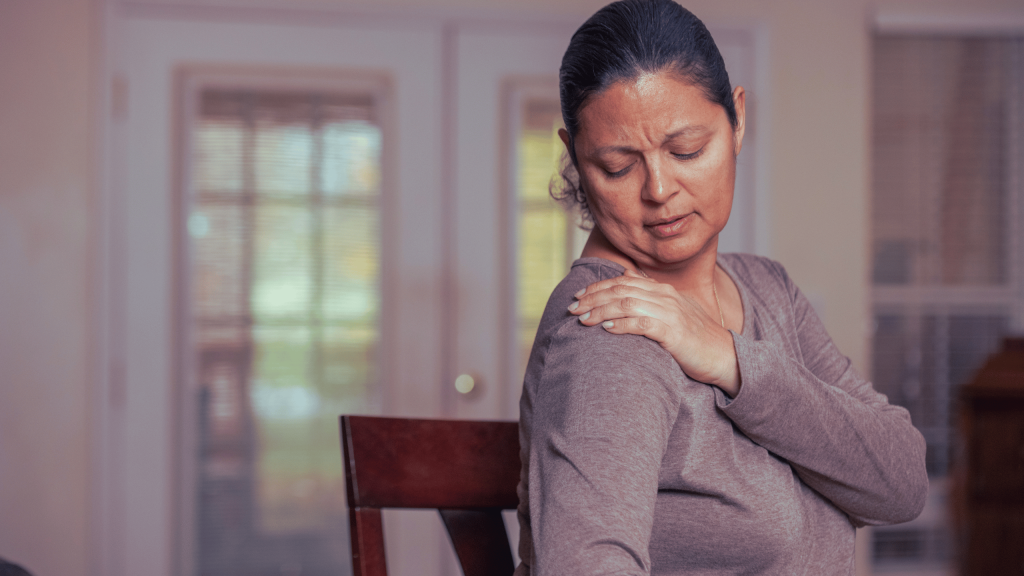
Neck and back pain are among the most common injuries following a motor vehicle accident. While many people recover with time and conservative treatment, others develop symptoms that extend far beyond stiffness or soreness. Pain that travels down an arm or leg, numbness, tingling, or muscle weakness can indicate that a nerve has been affected as a result of the collision.
One condition that may develop after a motor vehicle accident is radiculopathy. Although the name may sound unfamiliar, radiculopathy refers to irritation or compression of a spinal nerve as it exits the spine. Depending on where the injury occurs, it can cause pain, weakness, altered sensation, and functional limitations that interfere with work, driving, sleep, and everyday activities.
At KMSC Law, our Injury Law Team understands that injuries involving the spine and nervous system are often more complex than they first appear. Learning what radiculopathy is, how it develops, and why it matters can help you better understand both your recovery and your legal options after an accident.
What Is Radiculopathy?
Radiculopathy occurs when one or more nerve roots branching from the spinal cord become irritated, inflamed, or compressed. Because these nerves carry signals between the brain and different parts of the body, pressure on a nerve can produce symptoms far away from the actual site of the injury.
The location of your symptoms often depends on which part of the spine has been affected.
Cervical radiculopathy involves the neck and commonly causes symptoms that travel into the shoulders, arms, or hands.
Lumbar radiculopathy affects the lower back and often causes symptoms that radiate into the buttocks, legs, or feet. Many people are familiar with this type of nerve pain because it is commonly associated with sciatica.
Rather than experiencing pain only where the injury occurred, people with radiculopathy frequently notice symptoms following the path of the affected nerve.
Can a Car Accident Cause Radiculopathy?
Yes. A motor vehicle collision can generate enough force to injure the spine or surrounding tissues, even in crashes that initially appear relatively minor.
The sudden movement of the body during an impact can strain muscles and ligaments, damage spinal discs, or aggravate pre-existing spinal conditions. In some cases, a disc may bulge or herniate following the collision, placing pressure on a nearby nerve root. Swelling and inflammation around the injured area can also contribute to nerve irritation during the healing process.
Not everyone develops symptoms immediately. Some people begin experiencing numbness, tingling, or radiating pain several days or even weeks after the collision as inflammation increases or damaged tissues begin affecting nearby nerves.
Common Symptoms of Radiculopathy
Radiculopathy can affect each person differently depending on the location and severity of the nerve involvement. While pain is often the most noticeable symptom, many people experience a combination of sensory and physical changes.
Common symptoms include:
- Pain radiating into an arm or leg
- Numbness or tingling
- Burning or electric shock-like sensations
- Muscle weakness
- Reduced grip strength
- Difficulty lifting objects
- Pain that worsens with certain movements
- Changes in reflexes
These symptoms may come and go or become more persistent over time. In some cases, everyday activities such as sitting, driving, lifting, or sleeping can make symptoms worse.
How Is Radiculopathy Diagnosed?
Diagnosing radiculopathy involves much more than reviewing an MRI. Your healthcare provider will usually begin by discussing your symptoms, performing a physical examination, and evaluating muscle strength, sensation, reflexes, and range of motion.
Depending on your symptoms, additional investigations may be recommended. MRI imaging is commonly used to assess the spinal discs and surrounding nerves, while nerve conduction studies or electromyography (EMG) may be performed when further information about nerve function is needed.
Not every person with radiculopathy will require advanced imaging immediately. Healthcare providers often consider the severity of symptoms, neurological findings, and response to treatment when determining the most appropriate course of investigation.
Treatment and Recovery
Treatment depends on the underlying cause of the nerve irritation and the severity of your symptoms. Many people improve with conservative treatment, particularly when care begins early.
Treatment may include medication to manage pain and inflammation, physiotherapy, activity modification, home exercise programs, or referrals to specialists when symptoms persist. In more severe cases involving significant nerve compression or progressive neurological deficits, surgical treatment may be considered.
Recovery timelines vary considerably. Some people improve within several weeks, while others continue to experience ongoing symptoms that require long-term management. Because nerve tissue heals differently than muscles or ligaments, recovery may take longer than many people expect.
Why Radiculopathy Can Have a Significant Impact on Daily Life
Radiculopathy is often far more disruptive than people realize. Persistent nerve pain can make it difficult to perform physically demanding work, sit comfortably at a desk, drive for extended periods, lift children, participate in sports, or complete routine household tasks.
For individuals whose occupations depend on strength, coordination, or repetitive movement, even relatively mild nerve symptoms may significantly affect their ability to perform their job safely. Others may experience interrupted sleep, reduced physical activity, or ongoing discomfort that affects their overall quality of life.
Because these limitations are not always visible to others, people with radiculopathy sometimes feel their injuries are misunderstood despite the significant impact they have on everyday living.
How Radiculopathy Can Affect a Personal Injury Claim
When radiculopathy develops after a motor vehicle accident, it may become an important part of your personal injury claim. The extent of the injury is not determined solely by a diagnosis or MRI result, but also by how the condition affects your ability to work, care for your family, and participate in everyday activities.
Medical records, specialist assessments, diagnostic imaging, physiotherapy reports, and evidence documenting your ongoing symptoms all help provide a more complete understanding of how the injury has affected your life. Depending on the circumstances, these records may also help distinguish new injuries from pre-existing spinal conditions that were aggravated by the collision.
Every case is unique, and determining how a spinal injury may affect a personal injury claim requires careful review of both the medical evidence and the circumstances surrounding the accident.

Have a legal question?
Get effective answers.
BOOK A FREE CONSULTATION
Talk to the KMSC Injury Law Team
If you have been diagnosed with radiculopathy after a motor vehicle accident, you may be dealing with much more than ordinary neck or back pain. Nerve injuries can be complex, and understanding how they may affect both your recovery and your legal rights is not always straightforward.
The Injury Law Team at KMSC Law offers free, no-obligation consultations to injured Albertans. Whether you have questions about your diagnosis, ongoing symptoms, an insurance claim, or simply want to better understand your options, our team is here to provide clear, practical guidance based on your individual circumstances.
With offices serving clients across Alberta, including Edmonton, Grande Prairie, Fairview, Spirit River, La Crete, High Prairie, High Level, and Fort St. John, we are committed to ensuring every client receives experienced, compassionate representation. We work on a contingency fee basis, meaning you do not pay legal fees unless we successfully recover compensation on your behalf.
Taking the time to understand your situation early can make a meaningful difference later. If you have questions after a motor vehicle accident, the KMSC Injury Law Team is here to help.
About the author:

At KMSC, we are committed to providing practical and effective legal solutions for our clients.
If your issue is urgent, please don’t hesitate to contact us toll-free at 1.888.531.7771, we’d be happy to assist you.